How to Maximize Lighting for Interior Design
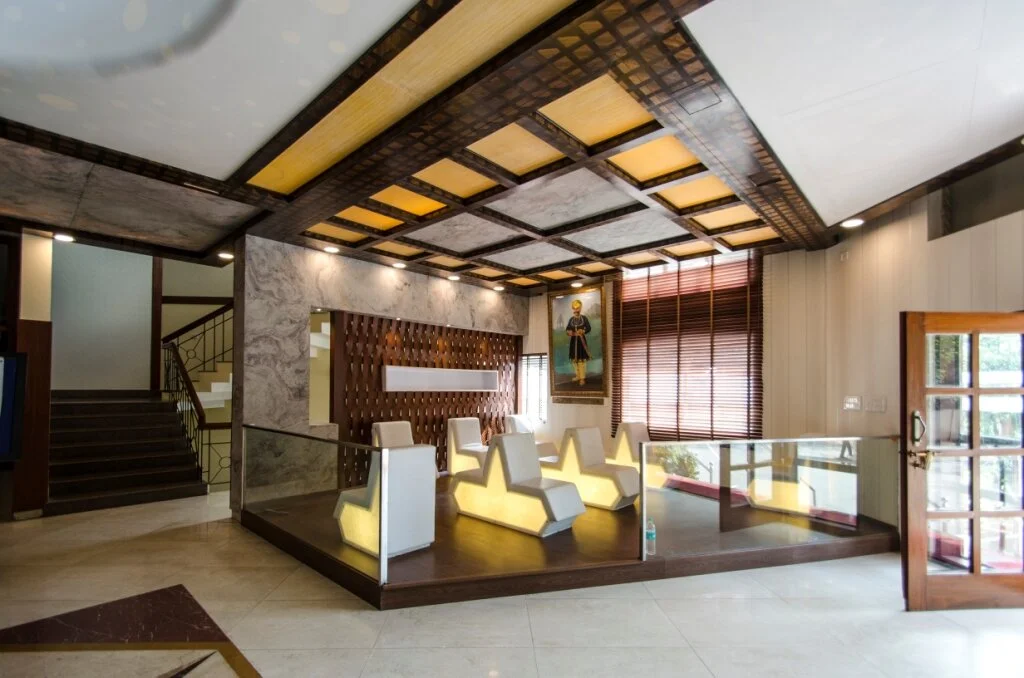
Whether its your home, your office or your project, there are certain principles to consider to maximize the benefits of a good lighting design. Here are a few tips to keep in mind:
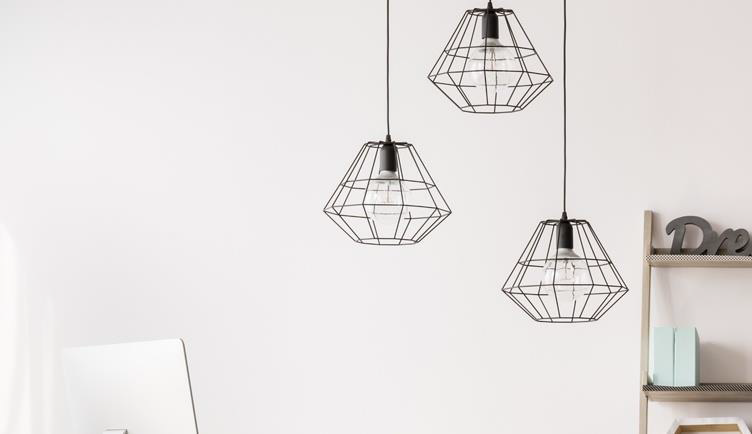
1. FINDING THE RIGHT HUES AND SHADES
Lighting can emphasize or detract the overall color scheme of your space. Colors and lights should complement each other. When designing light fixtures, one needs to take into consideration the existing colors.
For instance, blue might look good during day time. But when the sun sets, the blue color scheme gives a somewhat gloomy ambiance. To counter this, one might need to put fixtures with warm tones.
LED lights, while they are less expensive to manage, contains blue light that keeps people awake. Study shows that blue light decreases the production of melatonin, a hormone which helps induce sleep. Therefore, hotels should rethink about putting them on their rooms and suites. Instead, they should consider warm tones to help their guests relax and have a good night sleep.
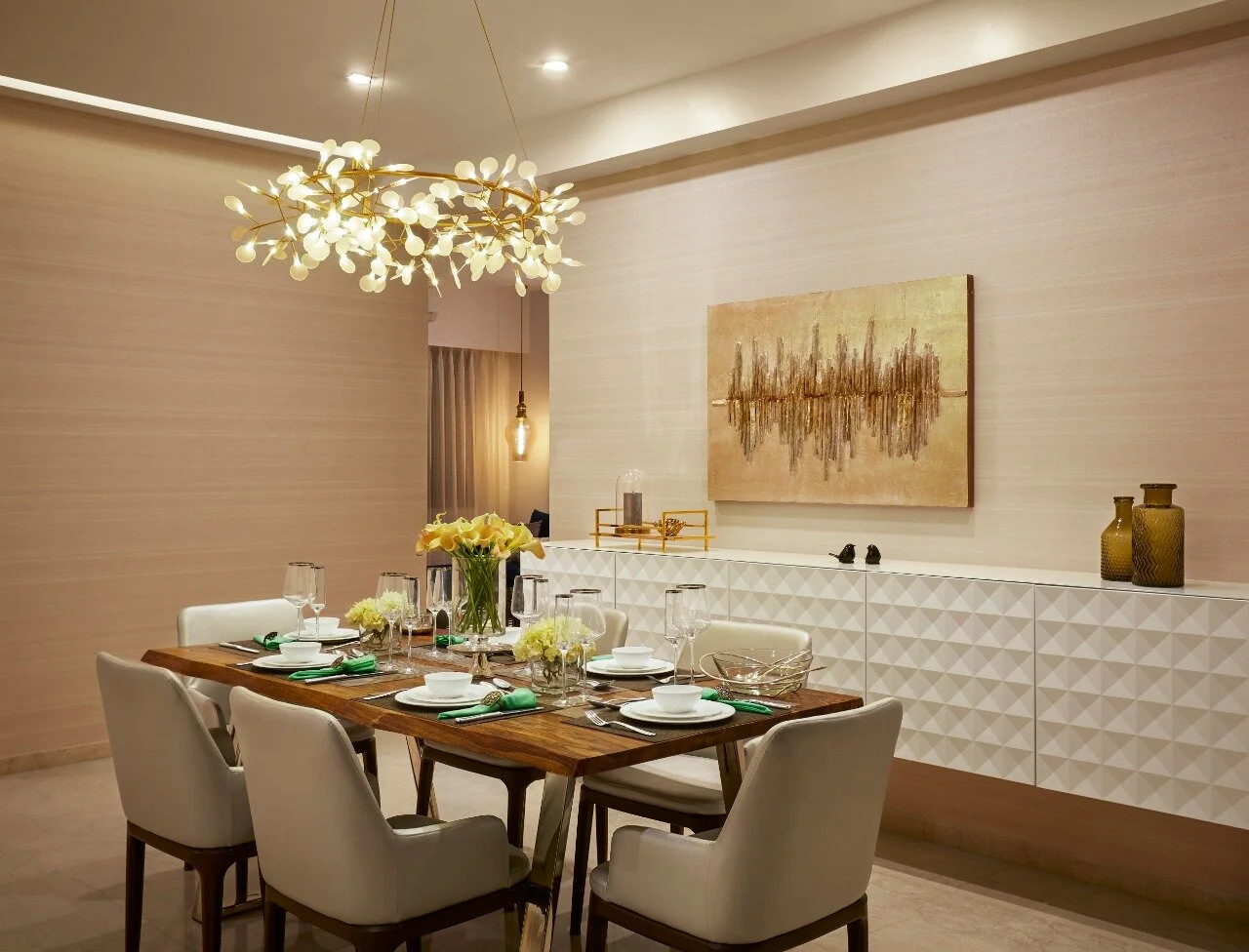
2. DIRECTING THE FLOW
Instinctively, people are drawn and follow where the lights are. To draw attention to specific elements, hotels can capitalize on lighting.
Set up a good lighting on the reception area to usher in the incoming guests to the front desk personnel. Being the focal point of the hotel lobby, reception area should be well-lit, with a lighting design that provides welcoming feel.
For the public seating areas, hotels should put subtle illumination to create relaxing atmosphere.
Directional lighting can also be utilized to highlight a gallery wall in the hallway, a cozy coffee nook inside the room, and seating areas at the hotel lobby. Subtle illumination on these areas provide dramatic effect and create a relaxing atmosphere.
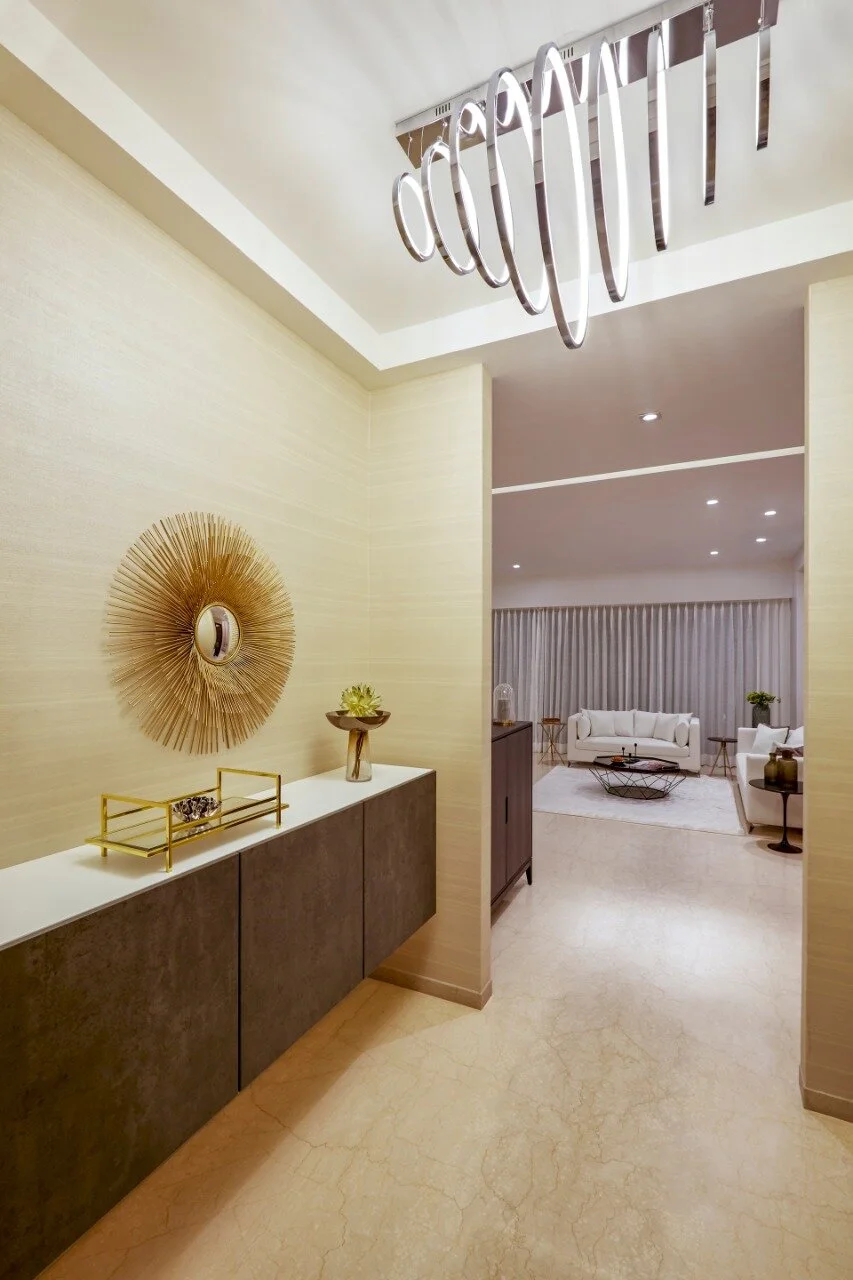
3. LAYERING THE LIGHTS
Since a space can be multi-functional, hotels should have layered lighting to create balance and illuminate an area to create various atmospheres and purposes.
For instance, in a suite, a hotel needs to install several types of lighting. There should be an ambient lighting to show the overall look of the room. A task lighting should be at the desk or the headboard for working or bedtime reading.
A bathroom needs overhead lighting and mirror lighting, with warm tone and non-glare illumination. Accent lighting and subtle night lights add visibility and create atmosphere.
4. ILLUMNATING SPACES
A good lighting design can give any space more depth. Light can make a space look larger than it actually is, which is quite important to hotel business.
Since spaces are often maximized to the hilt, resulting to fewer windows or cramp furniture arrangements, an interior designer must be clever in choosing lighting fixtures that don’t interfere with the natural flow and function of the room.
Less space means no floor lamps and desk lamps. Instead, opt for wall-mounted light fixtures such as sculptural scones, or chandeliers. The tones and colors of the lighting are equally important. Light which is as close to the natural light is preferred than artificial light. A wrong choice of light will make a space seem more cramped.
Chandra Interiors expert designers are always available to help you in your needs. Call us at +91-80-4095 3487