How Interior Affects Your Sleep
Sleep troubles have hit an increasing number of people during the COVID-19 pandemic, due to various reasons like the loss of a daily schedule, anxiety over the pandemic, and increased screen time. Though some of these are factors you can’t immediately do something about, there are some easy things you can do to help fix your sleep schedule—all in the comfort of your own bedroom.
Here are a few ways you can change your bedroom interior to improve your sleep cycle:
1. Choose your colours wisely
Whether it’s on your walls or on your sheets, the colours in your bedroom interior can affect you. In fields of art, such as interior design and especially in art therapy, colour psychology is taken into account to evoke specific emotions. While we don’t typically make the conscious connection of certain colours to certain emotions, it’s something that we react to naturally.
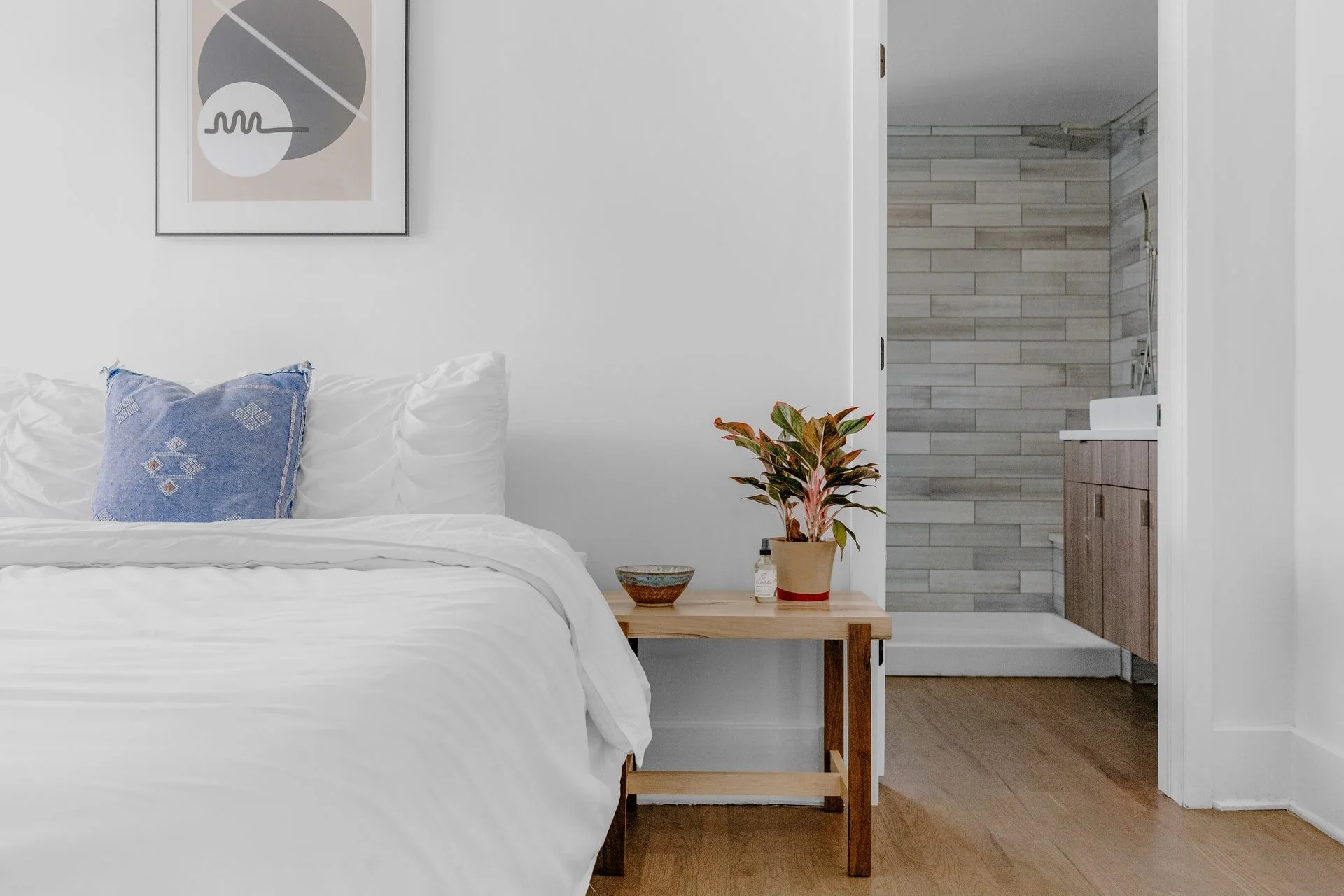
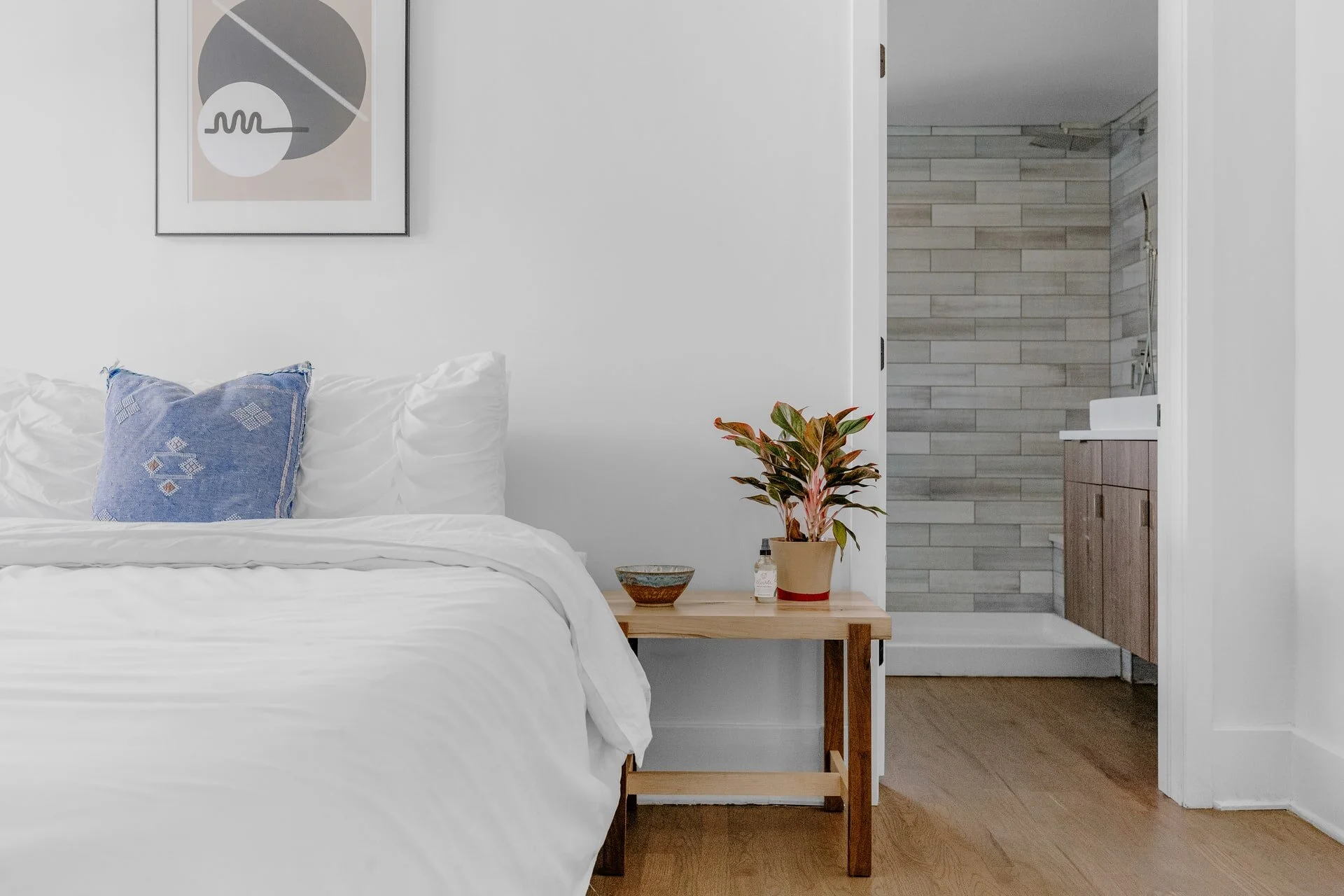
Lighter or muted colours can have a calming effect on your mind, which can aid in falling asleep. It’s also less of a strain on your eyes to look at. Stick to pastel or neutral colours for your bedroom walls or any big decorations in your room, such as your closet or your curtains.
While bright colours are certainly eye-catching, that’s not something that you would necessarily want in excess in your bedroom. Brighter colours like red, orange, and yellow reflect more light into our eyes, which is great for rooms like a living room or an office, but not so much for a room you intend to sleep in. Keep brighter colours at a smaller quantity, like in wall decorations or as trinkets on your bedside table.
2. Consider your furniture placement
Where you put your important bedroom furniture, like your bed and your desk, is a big factor in improving your sleep. For example, putting your bed’s headboard against your windows is a great way to ensure that you don’t get distracted by the scenery outside your room when you’re going to sleep, and that sunlight will reach you and wake you up in the morning. Another thing whose placement you should pay attention to is your mirror: make sure that it doesn’t face your bed, as the mirror’s reflection might catch your eye while you’re trying to fall asleep.
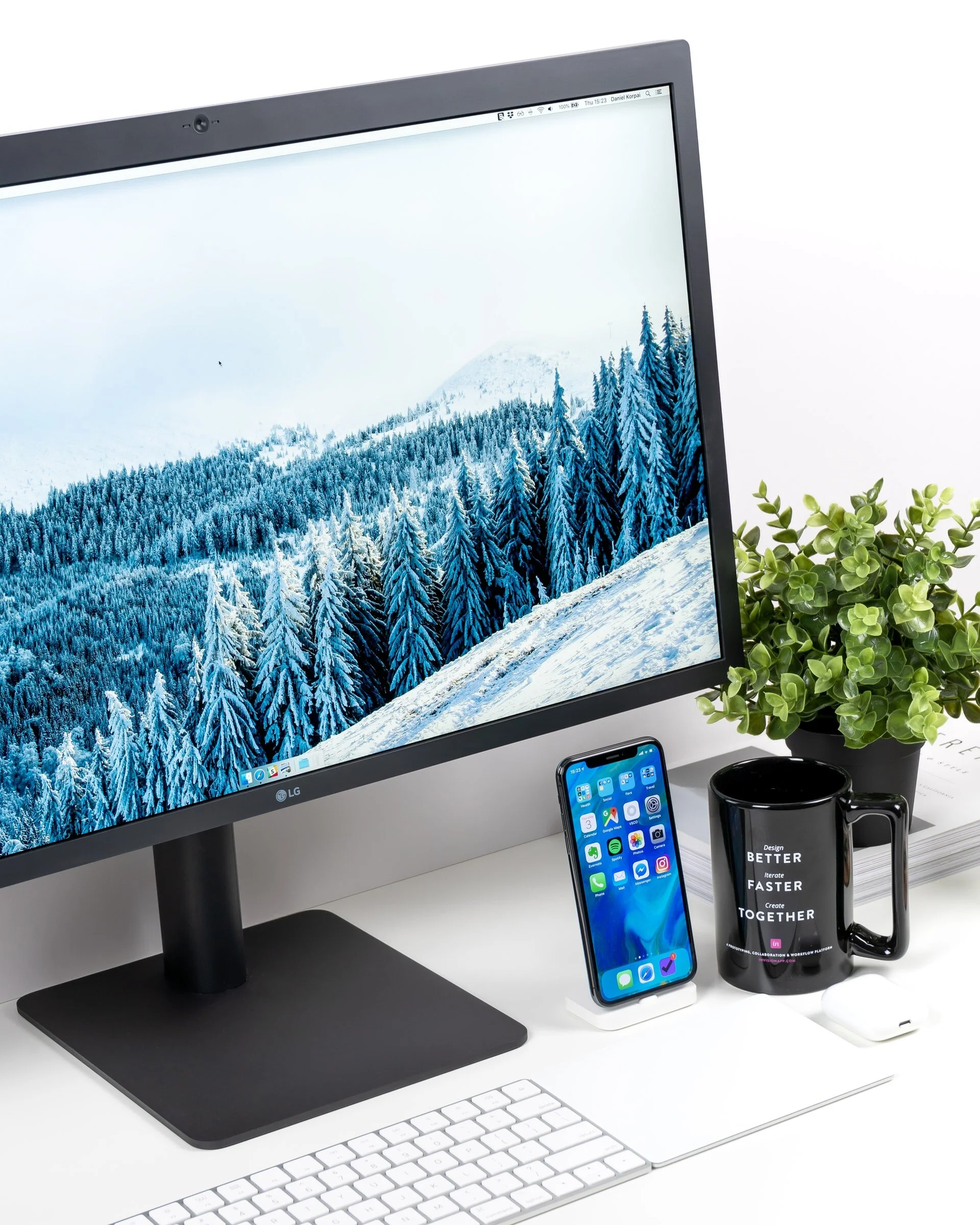
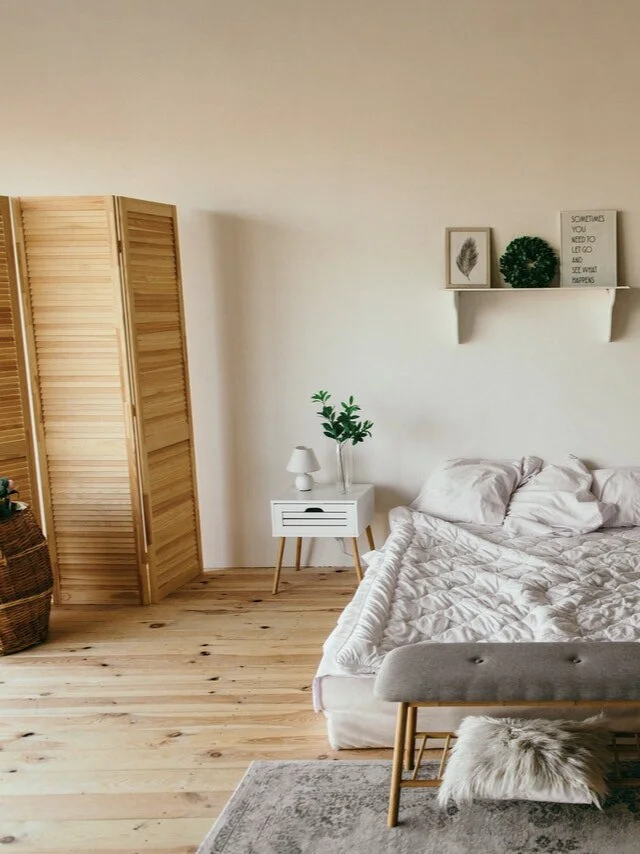
What furniture you keep in your bedroom is also important. Having a humidifier can improve your sleep cycle through aromatherapy, in addition to improving your indoor air quality. In a study by the American Psychological Association, they found that only using your bed and/or your bedroom for sleep greatly improves your sleep at night. For your interior, this means that you shouldn’t have things like a TV or a computer in your room. If you can’t avoid having an office or productivity station in your room, you should put a room divider in between your bed and your desk, ensuring that the desk space isn’t visible to you when you go to sleep.
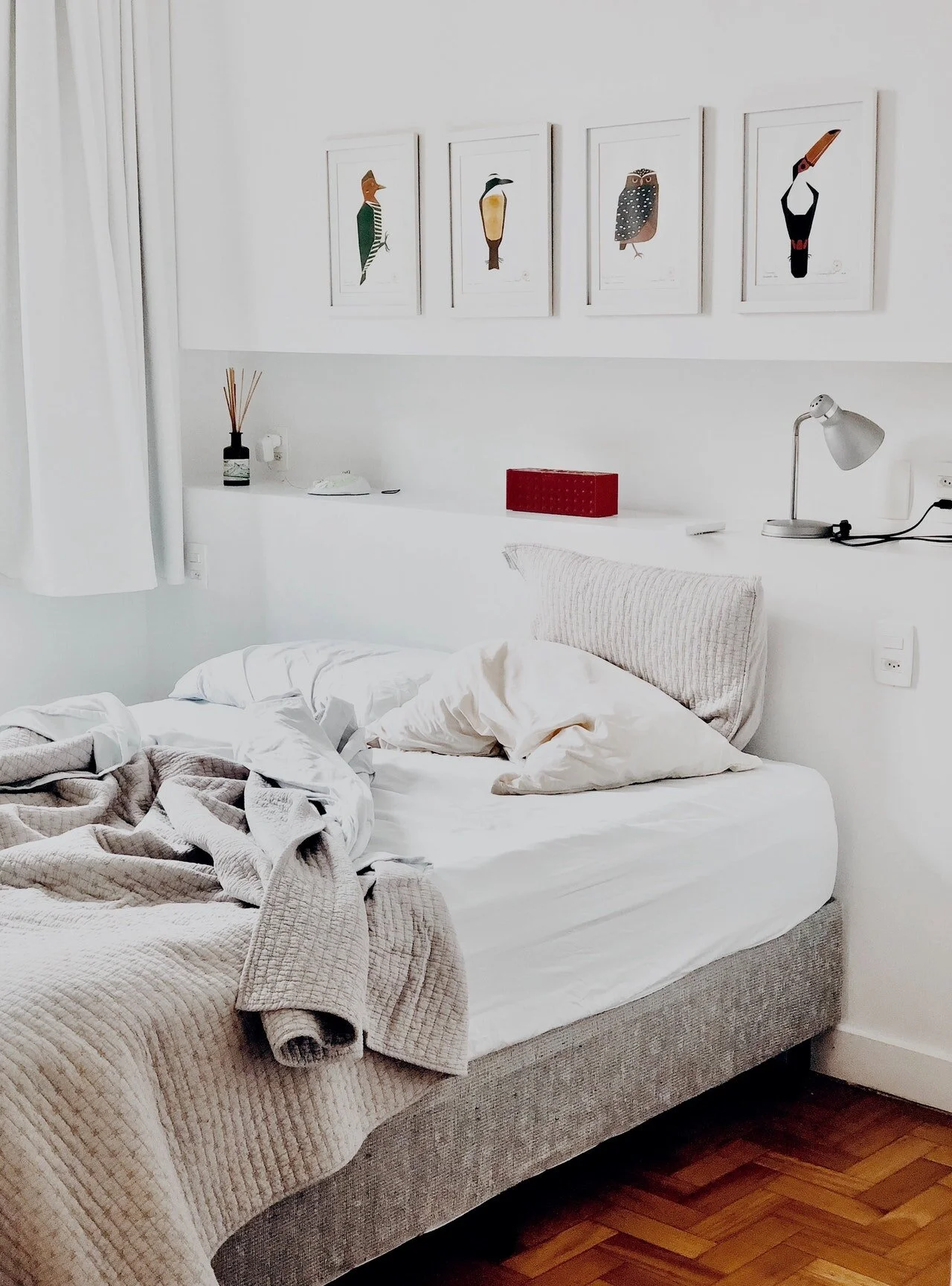
3. Be mindful of your lights
Just as with your walls, you need to keep colours and tones in mind when dealing with bedroom lighting. Lighting that’s too bright will hinder your sleep. You should turn off your bedroom light a couple of hours before you plan to sleep and use a nightlight instead. Your nightlight should be warm-toned, as they produce less energy than blue lights, aiding in your sleep cycle.
The placement of your lights is also important. If you are prone to reading at night (which can help you fall asleep faster, too), you’ll likely opt for a bedside lamp, but keep in mind that they do tend to be brighter than other nightlights. Avoid getting a floor lamp altogether—while they can be a great statement piece, they produce too much light to function as a nightlight in your bedroom. Consider nightlights that you can plug into your wall socket that are much smaller and dimmer than lamps.
4. Keep your things organised
A disorganised room can prevent you from falling asleep. You need to be relaxed in order to sleep, and although cleaning might be overwhelming or tiring for some, clutter around you will only lead to unnecessary stress. In the long run, clutter can also lead to a lack of self-control and poor mental health.
Other than tidying up any mess in your room before you sleep, you should take a closer look at how the things in your room are arranged. Establishing an organising system will prevent accumulating clutter in your room. If you have a desk, avoid stacking up your files on it by getting a magazine rack to put files in, and put dividers in the drawers to make things easier to find. Make sure all the clothes in your closet are properly folded and organised by function. Decide on how you want to arrange any shelves you have in your room, whether by size, colour, or topic. You could also try the popular konmari method, which involves only keeping things that spark joy for you.
Chandra Interiors experts are always available to help you in your needs. Call us at +91-80-4095 3487