The Principles of Interior Design
Interior design is a beloved art and general interest of many, so it might seem simple and easy. In actuality, it can be quite intricate — it’s definitely more than just making a space look good. Interior designers, like our experts here at Chandra Interiors, went through years of research, study and experience to understand how to enhance a space, in a way that suits the audience for whom the interiors are designed. There is a science to the art of improving an environment, and the learning process begins with the fundamental principles of interior design.
Space
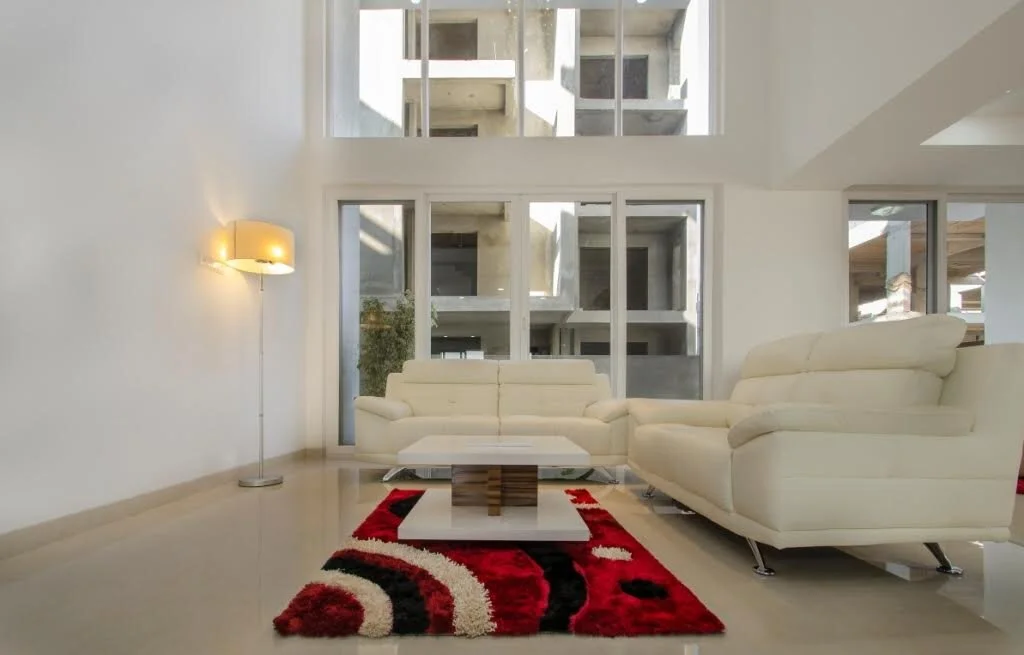
Sometimes it is not the addition, but the absence of an object, that has the greatest contribution to an environment. There are many ways of enhancing interiors that does not rely on adding, removing or replacing something.
When it comes to this principle, you have to think about the idea and function of the interiors. The focus here is in what can be provided by the spaces uninhabited by furniture and fixtures.
For example, the space between one end of the room and the other can be a way to highlight a perfectly placed painting. “Empty” space can also be a variable in itself, such as the free-flowing nature of an open floor plan, or it can be the representation of a particular style of interior design, like the elimination of clutter in minimalism.
Balance and alignment
The key is to not overcrowd or make a space feel too empty — you have to find the middle ground. One way to maintain the equilibrium of a room is to maintain the symmetry of objects inside it.
This can be in the literal sense, such as in the organized arrangement of assorted knicknacks atop a surface, or it can be more visual, such as placing a wooden kitchen island on the opposite side of an open room from a wide but short wooden shelf.
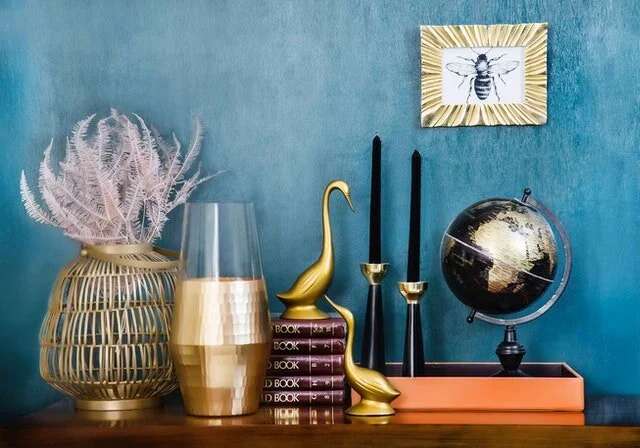
A good rule of thumb is what’s referred to as the rule of three, where you group together three objects of similar sizes, shapes or colors for some symmetry, or even align vastly different objects in a group of three for some variety.
Proportion
Know how the objects you’re adding to a space complement and relate to each other. Having too many objects in one end while having the other pretty barren can make a space feel lopsided and imbalanced. Like in the previous principle, knowing the arrangement and alignment of objects can bring equilibrium to your room.
Contrast
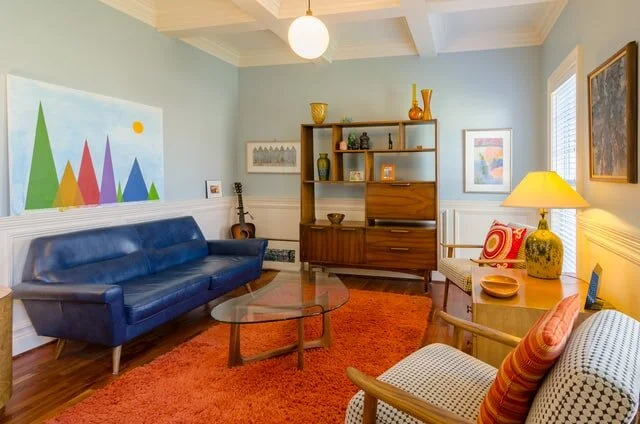
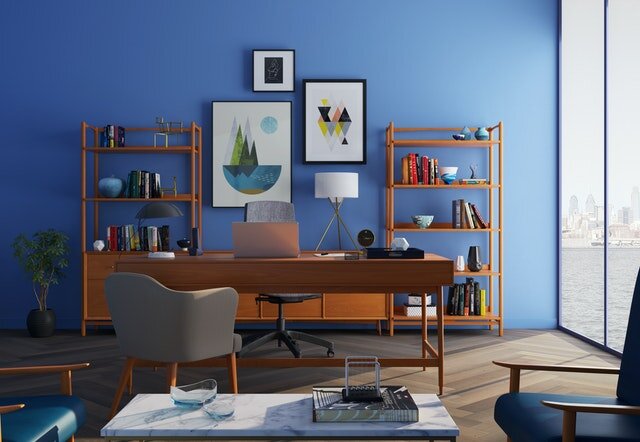
Color palettes don’t always have to be shades from the same color family. Sometimes opposite but complementary colors in the color wheel can bring some much-needed impact to a room. Contrasting colors can also add brightness to a space or emphasize elements that you want to focus on.
Emphasis
Know what you want to highlight. The focal point of a room sets the basis for so many design decisions.
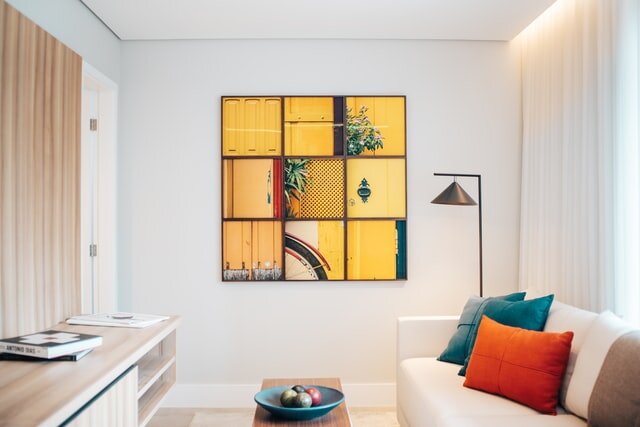
You might have a commissioned painting that you love and if this is something you want to showcase, then you have to think about where it would be best placed, how to organize the furniture around it, which wall colors fit best so that it doesn’t clash with the colors of the painting, among many other choices.
Repetition
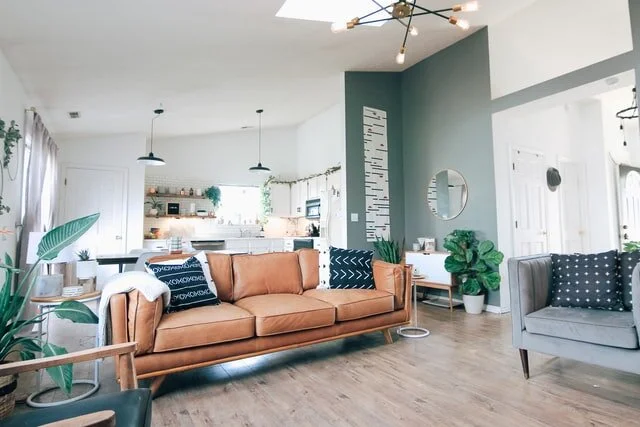
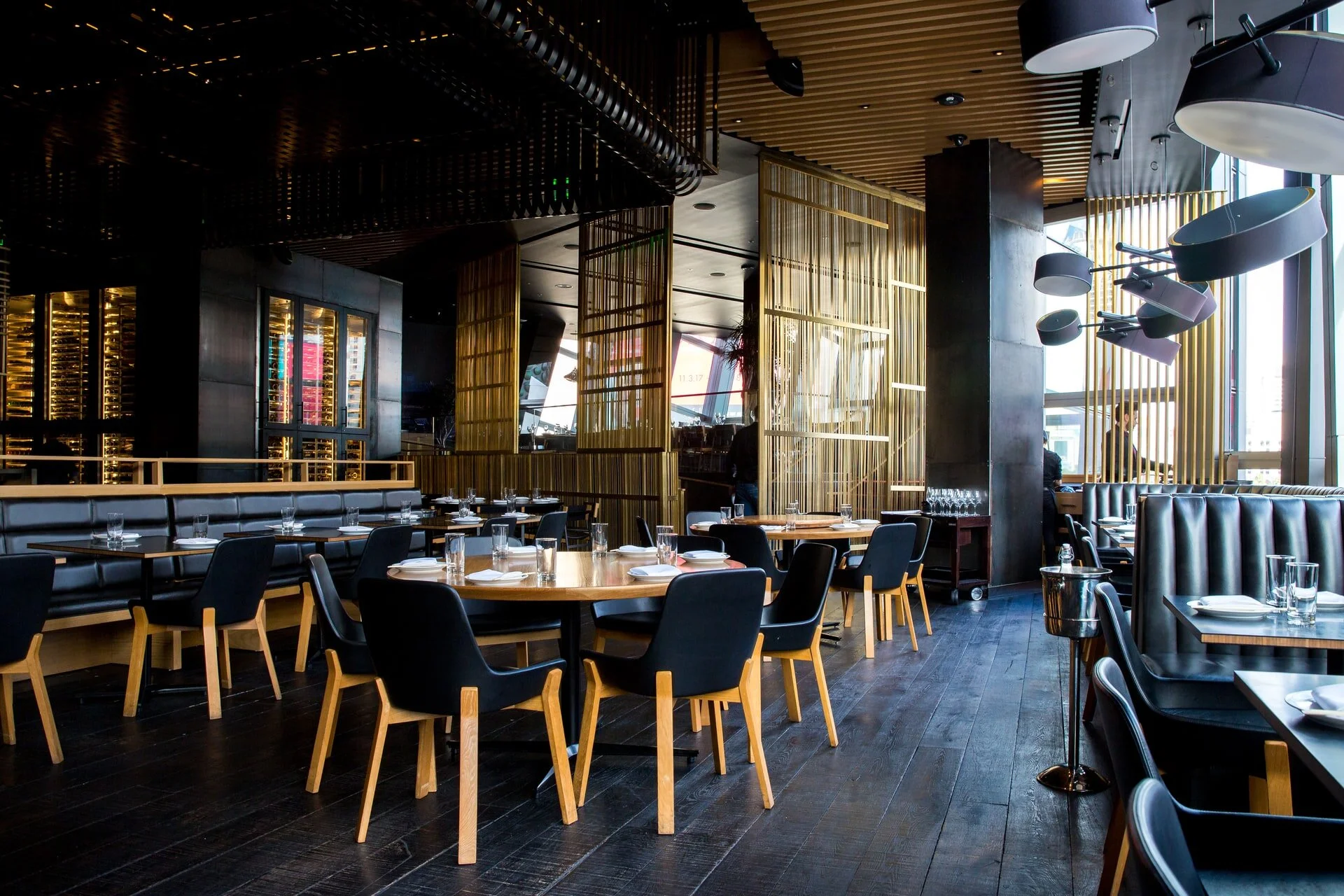
Similar prints, patterns, colors, and shapes that recur throughout the house can serve as visual links that tie together the overall interior design. This helps bring a cohesion and comfortable repetition that brings out the mood and personality of a home.
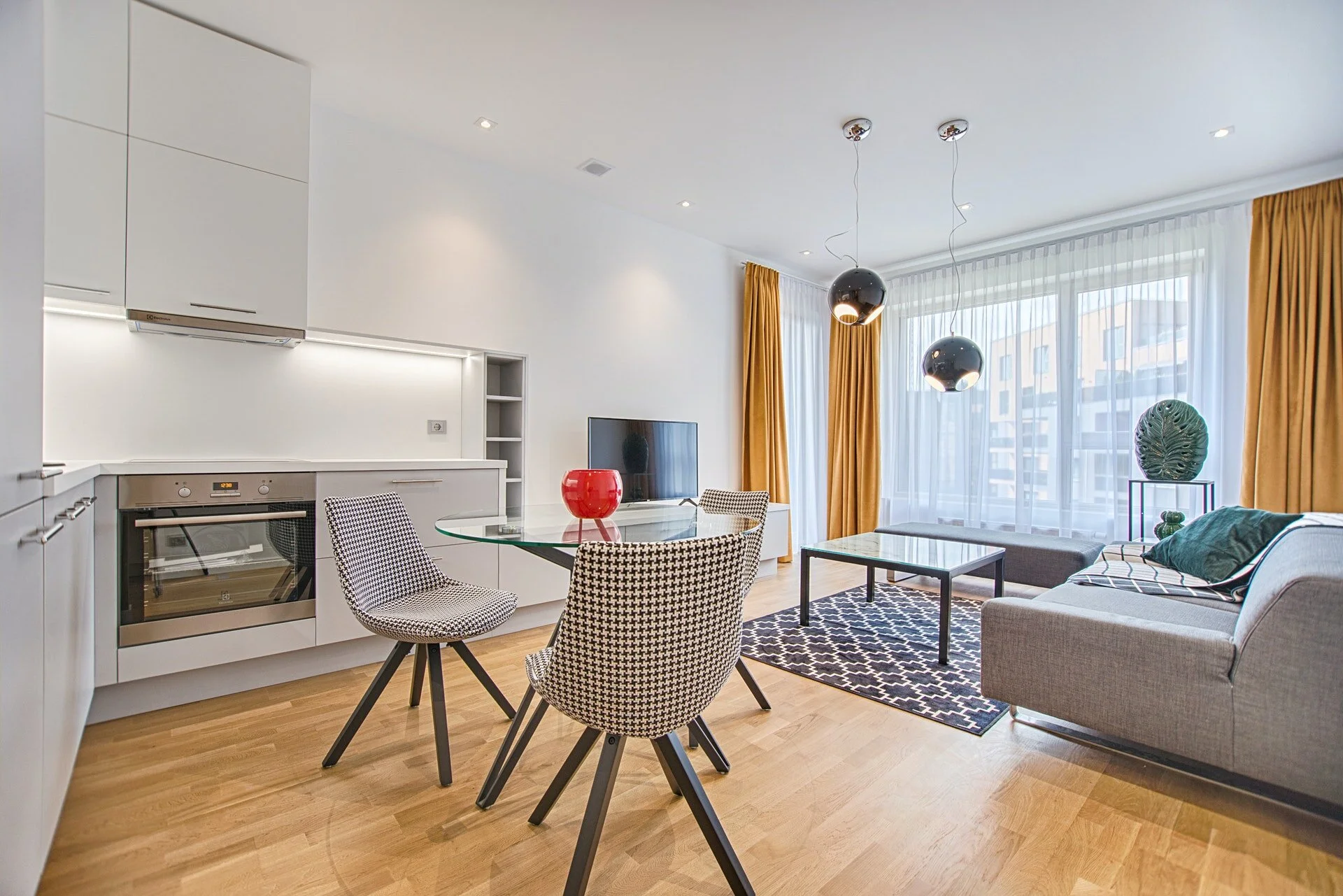
One such way this can be done is through the use of patterns. Some rooms can benefit from patterned walls, especially if there are minimal furniture and fixtures. Perhaps a living room could do well with an addition of a patterned couch with an accompanying ottoman. There are many ways to make objects suit the recurring theme of your plan if you pay attention to the elements of the design.
Movement
The flow of a home is of particular importance in establishing a feeling of security. When elements are presented in a way that makes the eye lead from one element to the next, it sets a routine that feels safe and well thought out. Like the previous principle of Repetition, Movement has a lot to do with the overall mood of a home.
How colors complement each other, how furniture relates to one another, how rooms move to the other — these things contribute to the overall concept of an interior design.
Chandra Interiors experts are always available to help you in your needs. Call us at +91-80-4095 3487